|
Instale el flash plugin
|
|
| |
|
|
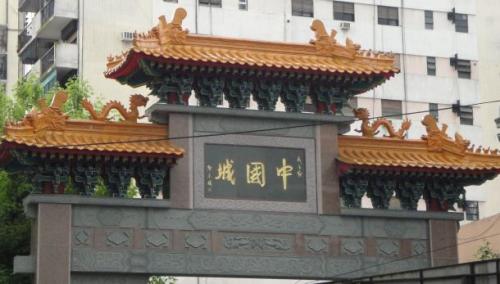
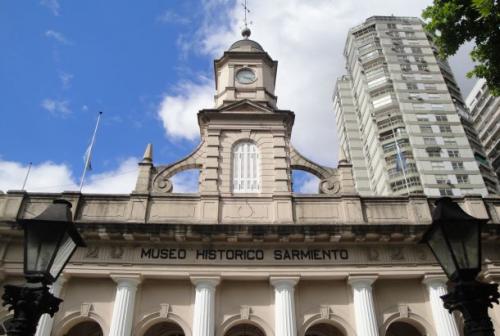
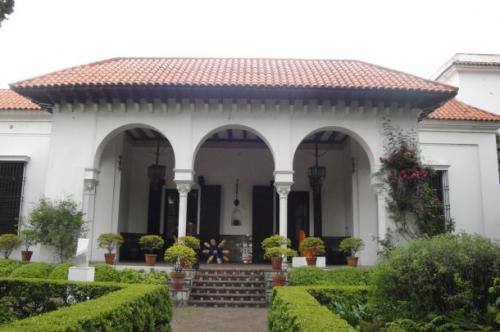
Iglesia de la Concepción: Church of the Immaculate Conception. Also known as La Redonda for its circular shape. Built in 1878. Plaza General Manuel Belgrano: Boasts the monument to Belgrano in its center. A significant artisanal fair with more than 100 stalls occurs here on Saturdays, Sundays and public holidays. Museo de Arte Español Enrique Larreta: A house ornamented with Larreta’s collection of Spanish art and Andalucian gardens that belonged to his wife (1882). Museo Histórico Sarmiento: Archive and collection of objects belonging to Domingo F. Sarmiento, in a building that was the seat of the National Government (1880). Museo Líbero Badii: The former house of Valentín Alsina (1856). The place is named after a great 20th century Argentine sculptor, whose work is exhibited here. Barrancas de Belgrano: One of the city’s few original hills that has been conserved, now a park with various species of trees. In its upper part there is a bandstand where orchestras play tango and couples dance. Barrio Chino: Important Taiwanese commercial center. Jardín de las Esculturas: Garden created to exhibit sculptures, unique in the country. Club Atlético River Plate: Also called El Monumental (1938), home of one of the two classic football teams of the country. Avenida Cabildo: Thriving commercial area along the full length of this avenue. |
|
Share in


 |
|
| |
| See more Belgrano | ||
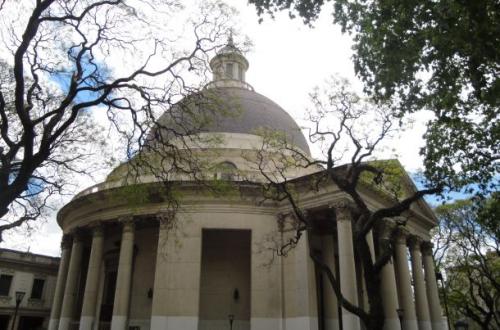 |
Information The barrio of Belgrano is located in the northeastern zone of Buenos Aires. The character of the barrio is definitely residential, and notable stately houses mix with the more modern architecture of the ‘propiedad horizontal’. Its original design belongs to Carlos Thays, the same architect contracted by Domingo Faustino Sarmiento to lay out the barrio of P ... ampliar |
|
 |
Cultural Presence As an area with great historical weight and a powerful social class committed to its conservation, Belgrano contains some real cultural treasures within its territory. Among them is the legacy of important cultural and historical figures such as Valentín Alsina, Nicolás Avellaneda and Manuel Quintana, as well as Roberto Arlt, Alfonsina Storni, José ... ampliar |
|
 |
History The barrio was officially founded in 1857, during the colonial period. Up to then Belgrano was part of the Partido de los Montes Grandes, an extensive strip between the commonly-held land Arroyo Maldonado and the Río de las Conchas. It was called La Calera because the area had contained a facility for the extraction of lime (cal), from which the first churches ... ampliar |
|
 |
Principal streets and meeting places Belgrano’s rich history, thriving commerce and great natural beauty make it impossible to choose between any particular street or corner to stand out from the others. Suffice to say that the roads Juramento and Cabildo cross at a meeting point perfect for a day’s activity – to be spent contemplating the Church of the Immaculate Conception, taking a t ... ampliar |
|
| | ||