|
Instale el flash plugin
|
|
| |
|
|
Recoleta became defined as a barrio towards the end of the 18th century, though by the name of Montes Grandes. Its subsequent and current name – Recoleta – came out of the construction of the Convent and Church of Pilar (1730) by a sect of Franciscans called the Padres Recoletos. This construction was implemented by Narbona, a merchant from Aragon. He arranged for the donation of the land, was responsible for the construction, and even made sure, according to a local legend, that there was a system of tunnels joining up the land with the river, so he could benefit from the fruit of his effort (1). (2)The son of Zárate later sold the lands in his possession to a French captain because he considered them to be of low value. The price was “a pincer, a common coat and a wig”. (3)A popular story of the cemetery tells of a gravedigger, Aiello, who was so in love with himself that he traveled to Genoa to have a high relief made of him posing with his work tools. His intention was to construct his own tomb, to rest in when the time came. But when he saw the beauty of his own sepulcher, he couldn’t wait any longer, and killed himself. |
|
Share in


 |
|
| |
| See more Recoleta | ||
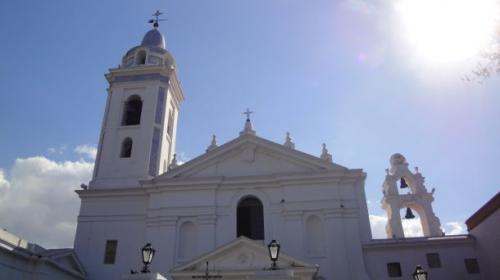 |
Introduction La Recoleta is one of the porteño barrrios with its prestige guaranteed by the nature and profusion of its art and history. It exists in a fusion of two dimensions, where a past of refined architectural style and cultural heritage – already a historical landmark – meets a present, where the magnificence of its parks, the embassies and luxury hotels, ... ampliar |
|
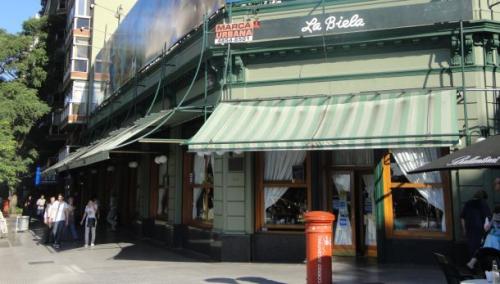 |
Places to visit Recoleta Cemetery: Funerary architecture from the 19th century and celebrated mausoleums. Pilar Church: Barroque style Jesuit altars. Plaza Francia: Traditional craft fair. Avenida Alvear: A vast showpiece of French-style architecture, including the Duhau Palace, the Jockey Club, Hotel Alvear, Vatican Nunciature, etc. Centro Cultural Recoleta: A shelter for the poor a ... ampliar |
|
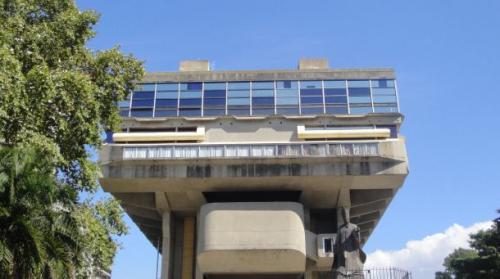 |
Cultural Presence The barrio of Recoleta is an all-time great in terms of cultural activity. It boasts museums, cultural centers, educational institutions and historical monuments of outstanding architecture. The present and past are naturally combined in a common framework. The Museo Nacional de Bellas Artes (National Museum of Fine Arts), with its temporary and permanent exhibitions ... ampliar |
|
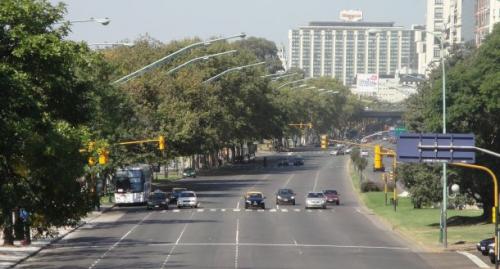 |
Principal streets and meeting places The long street of Recoleta - Av. Quintana Street that joined the Convent of the Recoletos to the city. Avenue without interruptions from Cinco Esquinas all the way to Callao. Considered the typical street of the barrio, it has an uneven width and was lined with gutters that transported rainwater. The cobbles on this street were never flattened, and still sustained th ... ampliar |
|
| | ||