|
Instale el flash plugin
|
|
| |
|
|
Calle Museo Caminito: Caminito Street Musuem. Inaugurated in 1859, now the Museo de Arte al Aire Libre (Open-air Art Museum). Feria de la Plaza Vuelta de Rocha: Craft market. Museo de Bellas Artes de La Boca Benito Quinquela Martín: Fine Art Museum. Shows the work of great Argentine painters and sculptors donated by the esteemed master. Includes an exhibition of nautical figureheads. Museo Histórico de Cera de La Boca: Historical Wax Museum. In this house (1902) convened the first Socialist Committee of Dr. Alfredo Palacios. Waxwork figures evoke the remarkable epic story of the south of Buenos Aires. Fundación Proa: Old converted mansion in front of the Caminito, with works of art by Argentine and Latin American artists. Old and New Puente Avellaneda: This freight bridge connects the city with the Province of Buenos Aires. In 1940 it was replaced with one able to sustain light traffic. Teatro Catalinas Sur: Theatrical ‘Murga’ (local dance). Its first version premiered in 1992 in the Plaza Islas Malvinas in the Catalinas Sur area. As is common in the murga genre, it deals with the political and social reality of the barrio, the city and the country. Teatro de la Ribera: Built on land donated by Benito Quinquela Martín, its seats are painted in differed colors, according to his suggestion. Parroquia de San Juan el Evangelista: Saint John the Evangelist was one of the godfathers of the Italian immigrants, and this Roman-Tuscan style church was founded in 1872. Club Atlético Boca Juniors: Founded in 1905 in the colors blue and yellow, it is now based in its home ground which is called “La Bombonera” (The chocolate box). One of the two most famous Argentine football teams. Las Cantinas: Colorful centers of local gastronomy and fun, where people dance and enjoy Italian dishes and seafood. |
|
Share in


 |
|
| |
| See more La Boca | ||
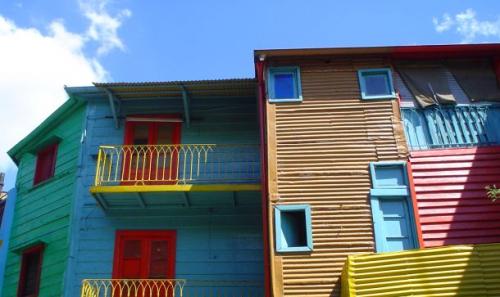 |
Information La Boca is possibly the most splendid barrio of Buenos Aires, filled with color from its humble facades and a permanent activity that possesses the soul of whoever happens to pass through. The barrio was a typical settling place for the working class immigrants of 1860-1930, who were mostly Italian, and specifically Genoan. Owing to its location in the mouth of the po ... ampliar |
|
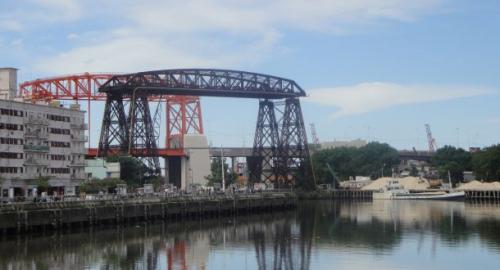 |
History The majority of historical theories on the foundation of Buenos Aires argue that La Boca was the settling place of Pedro de Mendoza in 1536. During the Spanish colonial time, La Boca was a zone of barrack huts where they put up the black slaves. Already at the time of Independence salting houses and tanneries were functioning in the area. Though the mouth of the Riach ... ampliar |
|
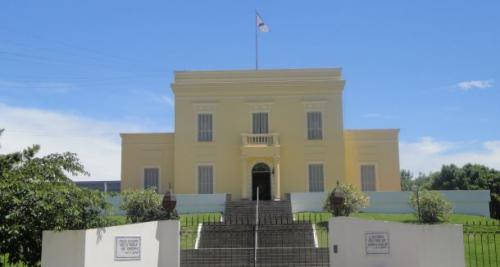 |
Cultural Presence The barrio of La Boca contains a large and diverse cultural life, referred to below. But without doubt the best symbol of what it represents is its original and unequalled. Its houses built out of wood or sheet metal or a combination of the two, iron balconies, corrugated facades, inner walls made out of blocks of wood separating the different rooms as well as decorat ... ampliar |
|
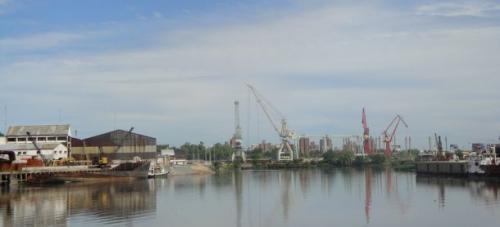 |
Principal streets and meeting places Av. de los Patricios: A place of numerous shops and constant activity. Calle Caminito: This pedestrian alley might only be 100 meters long, but it has kilometers of attractions. Its uniqueness is marked out by the typical local houses painted in bright colors, windows filled with flowers, balconies with plants and clothes hanging to dry and murals on its walls, as wel ... ampliar |
|
| | ||