|
Instale el flash plugin
|
|
| |
|
|
Originally a flooded area, the current barrio of Palermo was the destination for the Italian immigrant of the 16th century, Juan Domingo Palermo, who used the place to raise livestock and grow crops, and who brought with him the image of San Benito de Palermo, which eventually led to the barrio taking his name. |
|
Share in


 |
|
| |
| See more Palermo | ||
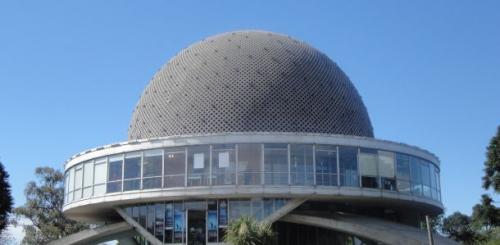 |
Information Palermo is considered the biggest barrio in the city, with the largest population and a huge range of available activities appropriate to this condition. It presents a specific character that has diversified into different areas that are quite different from each other (many “Palermos” in one), each with their own particular properties that characterize th ... ampliar |
|
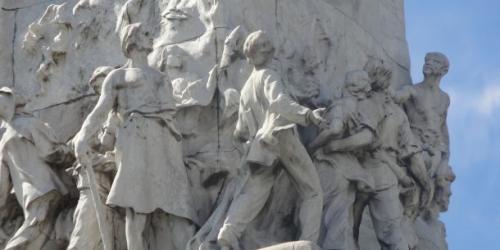 |
Cultural Presence This barrio’s diversity in its cultural activity comes from its adapting to a wide variety of physical and social contexts. Palermo Chico has its cultural heart in its green spaces. It could be said that its culture’s permanent foundation flowers in the shadow of a natural copse of trees and at the level of its meadows. The architecture in this area is sub ... ampliar |
|
 |
Places to visit Jardín Japonés: Created in 1968, enjoy through its gardens and buildings the philosophy of a country where harmony and equilibrium is the essential culture. Lakes, bridges, fish, statues, exhibitions and cultural food are part of its attraction. Jardín Botánico: Opened in 1898 and containing more than 5,000 species of vegetation. Jard&iacut ... ampliar |
|
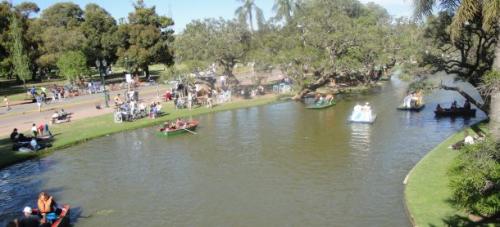 |
Principal streets and meeting places Altos de Palermo The most elevated land in the barrio. Its commercial center has the same name, like the former Cervecería Palermo (no longer in existence). Close by can be found Plaza Güemes, an area known as Villa Freud because of the concentration of psychoanalysts in it. On this plaza was built the Basílica del Espíritu Santo – Nues ... ampliar |
|
| | ||